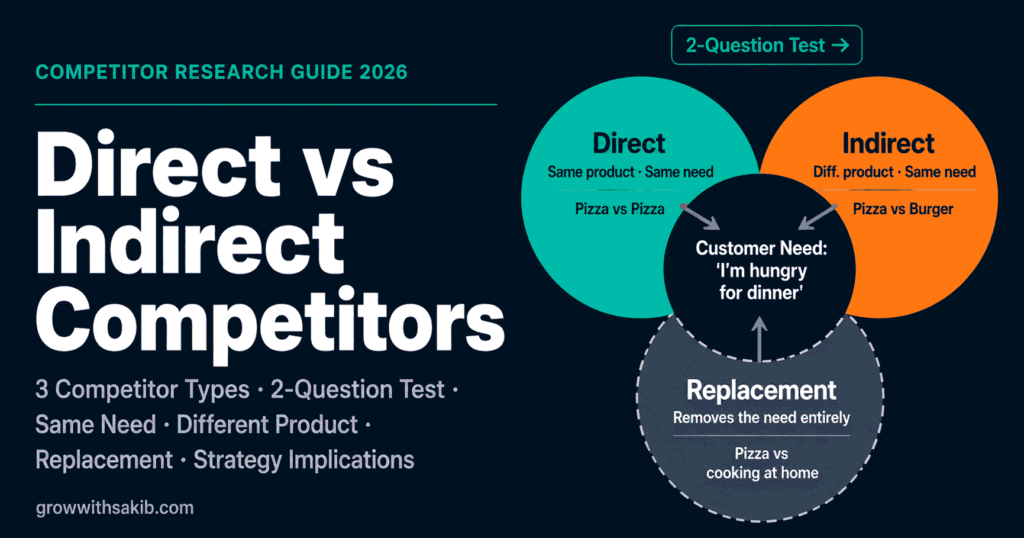
A pizza place thinks its competitors are the other pizza places down the street. But the burger joint, the taco truck, and the frozen-meal aisle are all quietly competing for the same hungry customer and the same dinner budget.
That’s the heart of direct vs indirect competitors. Get the distinction wrong and you’ll watch the obvious rivals while the real threat eats your lunch — sometimes literally. Get it right and you see your whole competitive landscape clearly.
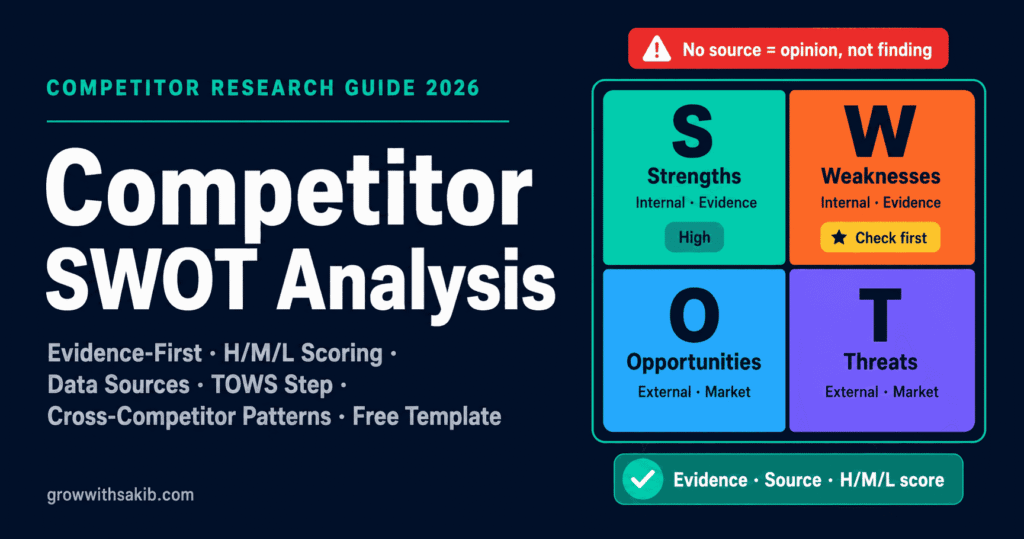
This expands the competitor-types section of our complete guide to competitor research. Knowing which type you’re dealing with shapes every decision that follows.
What Is a Direct Competitor?
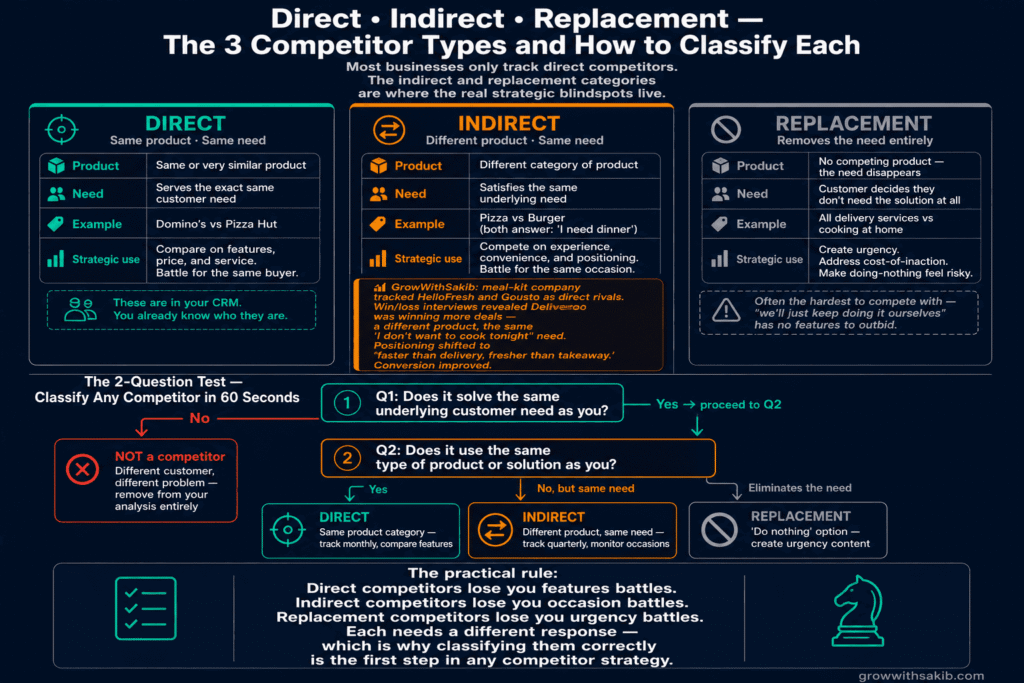
A direct competitor sells essentially the same product or service, to the same target audience, solving the same need. You and they show up on the same shortlist when a customer is choosing.
Coca-Cola and Pepsi. Uber and Lyft. Two project-management tools both targeting small agencies. When customers compare you side by side, that’s a direct competitor — same category, same buyer, same job.
These are the rivals you probably already know. They’re also the ones you benchmark against most closely, because a customer choosing them is a customer who almost chose you.
What Is an Indirect Competitor?
An indirect competitor solves the same customer need with a different type of product or service. They don’t look like you, but they compete for the same outcome — and often the same budget.
Netflix and a cinema both solve “I want to be entertained tonight.” A gym and a home-workout app both solve “I want to get fit.” They’re not in the same category, but they chase the same job in the customer’s life. A customer who picks one often won’t need the other.
The Hidden Third Type: Replacement Competitors
Most articles stop at two types. There’s a third worth knowing: the replacement (or substitute) competitor — something that removes the need for your category altogether.
A video-call tool doesn’t just compete with other video tools (direct) or with phone calls (indirect) — it competes with “just send an email and skip the meeting,” which replaces the need for a call at all. In 2026, AI Overviews are a replacement competitor for many content businesses — answering queries directly so users never visit any website. Replacement competitors are the easiest to miss and sometimes the most dangerous, because they don’t show up in any obvious category search — and they overlap significantly with what we call shadow competitors.
Direct vs Indirect: A Side-by-Side Comparison
| Direct competitor | Indirect competitor | |
|---|---|---|
| Product | Same as yours | Different from yours |
| Audience | Same target customer | Overlapping customer |
| Need solved | Same need, same way | Same need, different way |
| Example | Uber vs Lyft | Uber vs public transport |
| Main threat | Wins the head-to-head comparison | Removes the reason to choose your category |
How to Classify Any Competitor (the 2-Question Test)
You don’t need to memorise definitions. Ask two questions about any business and you can classify it instantly:
- Question 1 — Same product type? Do they sell roughly the same thing you do?
- Question 2 — Same customer need? Are they solving the same underlying need for the same kind of customer?
Both yes = direct competitor. Different product but same need = indirect competitor. Same need but they remove the category entirely = replacement competitor. Neither = not really a competitor at all, just noise. Run this test for every name in your competitor analysis framework before deciding which to track.
Why the Difference Actually Matters
Classifying competitors isn’t an academic exercise — each type demands a different response.
With direct competitors, you compete on specifics: features, pricing, positioning, and which of you wins the side-by-side comparison. This is where close benchmarking and a competitor SWOT analysis pay off most, because small advantages decide the choice.
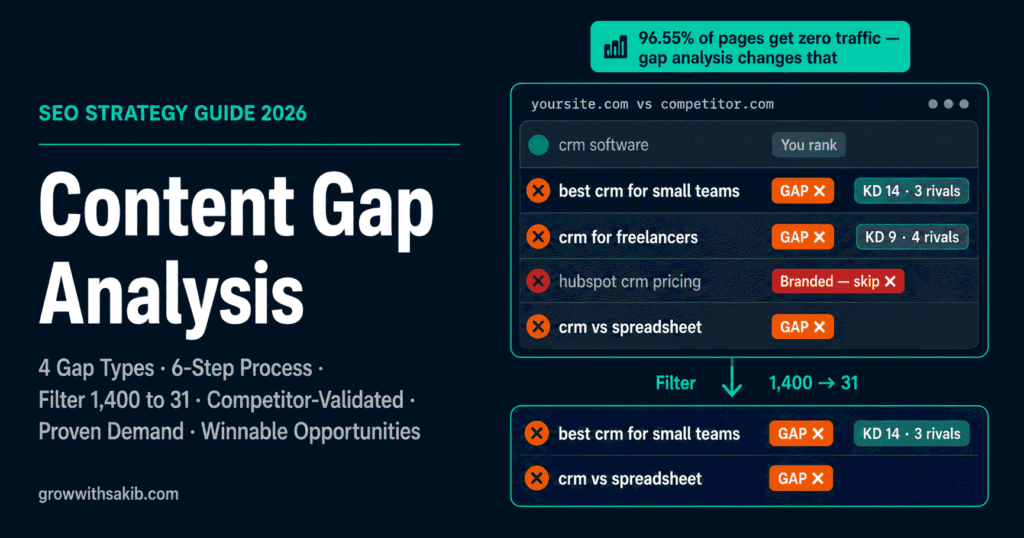
With indirect competitors, you compete on the bigger question of why a customer should solve their need your way at all. That’s a messaging and category battle, not a feature war. Your search rivals often fall here too, which is why finding your real SEO competitors frequently surfaces indirect players you’d never have listed.
Track both, but don’t treat them the same. Feed both into your competitor analysis framework with different questions: “how do we beat them head-to-head?” for direct, “why should the customer choose our category?” for indirect — and set up competitor monitoring so new indirect rivals don’t appear without warning.
Common Mistakes to Avoid
- Only watching direct competitors. Indirect rivals cause blindside losses you never see coming.
- Treating both types the same. Direct = feature battle; indirect = category battle.
- Forgetting replacement competitors. The thing that removes your category is the easiest to miss.
- Calling everything a competitor. If they fail the need question, they’re noise — stop tracking them.
- Letting the list go stale. New indirect competitors appear as markets shift; refresh regularly using a competitor monitoring system to catch category entrants automatically.
An Honest Note
The lines aren’t always clean. Some competitors sit between categories, and a rival can be direct for one of your products and indirect for another. Don’t agonise over perfect labels — the point of classifying is to decide how to respond, not to win a taxonomy debate.
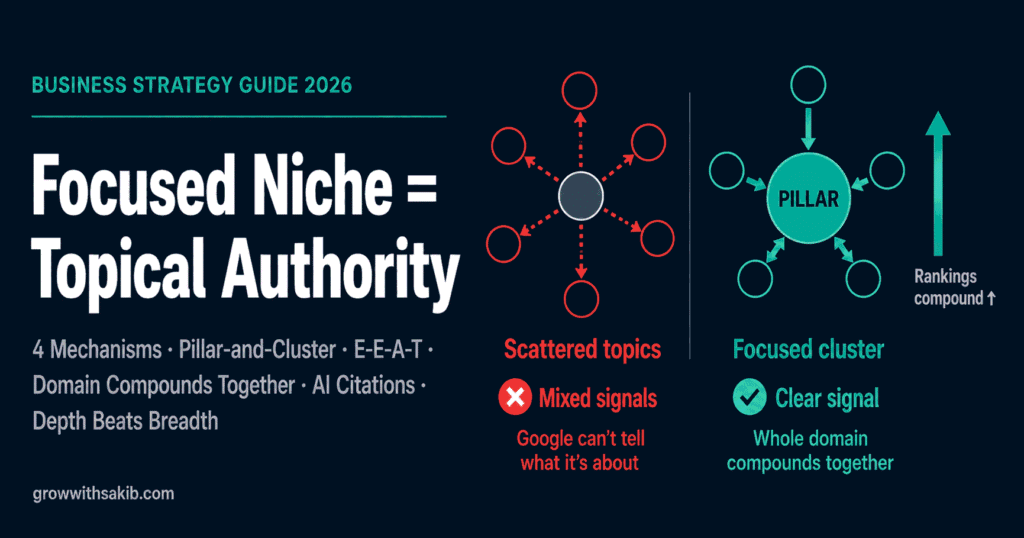
The balance also shifts by business. In a crowded, mature market, direct competitors dominate your attention. In a new or category-creating market, indirect and replacement competitors matter far more, because your real fight is convincing customers the category is worth choosing at all. Weight your effort to match where you actually are — the same principle that shapes SEO for small business keyword strategy, where market maturity determines whether you target branded or problem-intent queries.
Frequently Asked Questions
What is the difference between direct and indirect competitors?
Direct competitors sell the same product to the same audience, solving the same need the same way — like Uber and Lyft. Indirect competitors solve the same customer need with a different product — like Uber and public transport. Both compete for the customer’s money and choice, but they do it differently and each requires a different strategic response.
What is an example of an indirect competitor?
Netflix and a cinema are indirect competitors — both solve “I want entertainment tonight” with completely different products. A gym and a home-workout app, or a meal-kit service and a supermarket, are other examples. They don’t share a product category, but they compete for the same customer need and often the same budget.
What are direct competitors?
Direct competitors offer essentially the same product or service to the same target audience, solving the same need. Customers compare them side by side when choosing — think Coca-Cola and Pepsi, or two project-management tools targeting small agencies. They’re the rivals you benchmark most closely, because a customer who picks them nearly picked you.
What is a replacement competitor?
A replacement or substitute competitor removes the need for your category entirely. A video-call tool competes not only with other call tools and phone calls, but with “just send an email and skip the meeting.” Replacement competitors are easy to miss because they don’t appear in any obvious category search, yet they can be the most disruptive.
How do I identify my indirect competitors?
Start from the customer need rather than your product. Ask what else a customer could do to solve the same problem or satisfy the same desire — including doing nothing or using a workaround. Customer interviews, churn reasons, and review mining reveal where people go instead of buying from your category. Those alternatives are your indirect competitors.
Why does it matter whether a competitor is direct or indirect?
Because each demands a different response. Against direct competitors you compete on features, pricing, and positioning — winning the side-by-side comparison. Against indirect competitors you compete on why customers should solve their need your way at all — a category and messaging battle. Treating them the same leads you to fight the wrong war.
Can a company be both a direct and indirect competitor?
Yes. A rival can be a direct competitor for one of your products and an indirect competitor for another, especially as businesses expand their offerings. The labels aren’t rigid. What matters isn’t the perfect classification but using it to decide how to respond — head-to-head for direct overlap, category-level for indirect.
Key Takeaways
- Direct competitors sell the same product to the same audience; indirect solve the same need differently.
- Both compete for the customer’s money — indirect rivals just do it less obviously.
- Replacement competitors remove the need for your category entirely and are easiest to miss.
- Use the two-question test: same product? same need? to classify any rival fast.
- Direct competition is a feature and pricing battle; indirect is a category and messaging battle.
- Indirect competitors cause the blindside losses businesses never see coming.
- Don’t call everything a competitor — if it fails the need question, it’s noise.
- Refresh your competitor types regularly; new indirect rivals appear as markets shift.